Book now


Your Child’s Brushing Technique May Be Doing More Harm Than Good

Your Child’s Brushing Technique May Be Doing More Harm Than Good
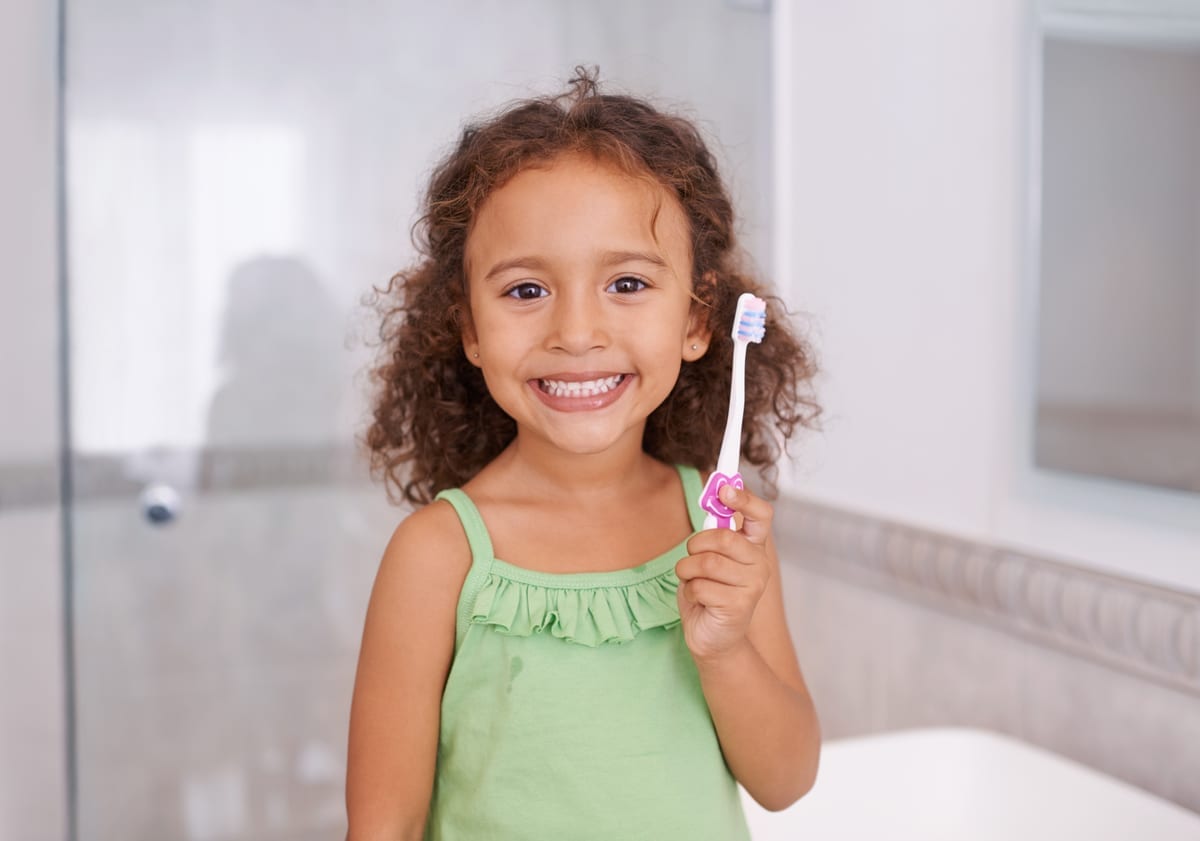
Most Tinley Park parents feel confident about their child’s brushing routine. But your child’s brushing technique may be doing more harm than good in Tinley Park homes every single day. Dr. Yaa McDonald at Joyful Smiles Pediatric Dentistry of Tinley Park sees the evidence at nearly every checkup. Small mistakes in technique, timing, and tool choice quietly build into big dental problems for kids.
The good news is that these mistakes are easy to fix once you know what to look for. This guide breaks down exactly what goes wrong and how to make brushing genuinely protective for your child’s teeth.
The Most Common Brushing Mistakes Parents Make in Tinley Park
Brushing too hard is one of the most frequent problems Dr. McDonald observes. Parents often assume more pressure means cleaner teeth. In reality, scrubbing aggressively wears away soft enamel and irritates young gum tissue. Children’s enamel is thinner than adult enamel, making it far more vulnerable to damage.
Brushing in horizontal streaks is another widespread issue. Many children naturally scrub back and forth like they are cleaning a countertop. Dentists recommend small circular or gentle vertical motions instead. This technique removes plaque more effectively and protects the gum line.
A third mistake is rushing. The American Academy of Pediatric Dentistry recommends two full minutes of brushing, twice daily. Most kids finish in under forty-five seconds. Using a two-minute timer or a brushing app makes a measurable difference in how thoroughly teeth actually get cleaned.
Choosing the Right Tools for Your Child’s Age and Mouth
Using the wrong toothbrush is surprisingly common. Many families grab whatever is on sale without checking bristle type or head size. A brush head that is too large cannot reach the back molars, where cavities in children develop most often. Always choose a brush labeled for your child’s specific age range.
Bristle firmness matters just as much as size. Soft bristles are the only appropriate choice for children. Medium or firm bristles can scratch enamel and pull at delicate gum tissue over time. Check your child’s toothbrush and swap it out if the bristles are not labeled soft.
Toothpaste amount is another overlooked detail. Here is a quick reference by age:
- Under 3 years: A rice-sized smear of fluoride toothpaste
- Ages 3 to 6: A pea-sized amount of fluoride toothpaste
- Ages 6 and up: A pea-sized amount, increasing slightly as the child grows
Using too much toothpaste encourages swallowing and can contribute to fluorosis in developing teeth. More foam does not mean better cleaning.
Why Flossing Technique Matters Just as Much as Brushing in Tinley Park
Many parents skip flossing because their child resists it. Others floss incorrectly and unknowingly snap the floss into the gums. Both situations leave plaque sitting between teeth where a toothbrush simply cannot reach. Cavities between teeth are among the most common findings at pediatric dental exams.
Proper flossing technique for kids involves a gentle C-shape motion around each tooth. Guide the floss carefully under the gum line without forcing or snapping it downward. For younger children, floss picks can be easier to maneuver than traditional string floss. Children generally need parental help with flossing until around age ten.
When kids skip flossing consistently, bacteria build up between tight contact points. This can lead to decay that requires Root Canal Therapy For Children Tinley Park if left untreated. Starting flossing habits early prevents far more complicated procedures later.
Key flossing reminders for Tinley Park parents:
- Floss once daily, ideally before bedtime
- Use a gentle back-and-forth motion — never snap downward
- Curve the floss in a C-shape around each tooth
- Replace floss picks after each use to avoid spreading bacteria
- Praise your child after flossing to build positive associations
What Happens When Technique Problems Go Unaddressed
Poor brushing and flossing habits accumulate damage quietly. Children rarely feel early-stage cavities. By the time a tooth hurts, decay has often progressed significantly. This is why routine checkups at Joyful Smiles Pediatric Dentistry of Tinley Park are so important for catching problems early.
Gum disease in children is also more common than most parents realize. Chronic incorrect brushing irritates gum tissue and allows bacteria to thrive below the gum line. Early gum inflammation, called gingivitis, is reversible with improved technique and professional cleanings. Left unaddressed, it can affect the supporting bone around baby and permanent teeth alike.
Dental accidents also happen more often to children who have weakened enamel from repeated abrasive brushing. A fall or collision can chip a weakened tooth far more severely. If your child ever has a dental emergency, Emergency Dental Care Tinley Park is available to help right away.
How to Build Better Brushing Habits at Home
Making brushing a consistent and positive routine is half the battle. Children thrive on structure and repetition. Brush at the same time each morning and evening so the habit becomes automatic rather than negotiable. Keep the routine calm, especially for younger children who are still adjusting.
Supervision is critical through early childhood. Most pediatric dentists recommend parents supervise brushing until age seven or eight. After that, periodic check-ins help ensure children maintain correct technique as they grow more independent. A quick look at the brush after your child finishes can reveal whether back teeth are being reached.
Electric toothbrushes designed for children can be a helpful tool for families struggling with technique. These brushes do much of the motion work automatically. They also often include built-in timers that remove the guesswork around two-minute brushing. Talk to Dr. Yaa McDonald about whether an electric brush is appropriate for your child’s age and needs.
Frequently Asked Questions
At what age should my child start brushing independently?
Most children develop the dexterity for independent brushing around age seven or eight. Until then, parents should brush for or closely supervise their child each session. Even after independence begins, occasional check-ins help ensure technique stays on track.
How often should I replace my child’s toothbrush?
Replace your child’s toothbrush every three months or sooner if the bristles appear frayed or splayed. A worn brush cleans far less effectively and can irritate gums. Also replace it after your child recovers from any illness.
Is it okay if my child swallows a little toothpaste?
Young children occasionally swallow small amounts of toothpaste. Using the correct age-appropriate amount — a rice-sized smear for toddlers and a pea-sized amount for older children — minimizes risk. Consistently swallowing larger amounts of fluoride toothpaste can affect developing permanent teeth, so proper amounts matter.
Should I use fluoride toothpaste for my toddler?
Yes. The American Academy of Pediatric Dentistry recommends fluoride toothpaste starting at the first tooth. Use only a rice-sized smear until age three to keep the amount safe. Fluoride strengthens enamel and significantly reduces cavity risk in young children.
How do I get my child to cooperate with brushing and flossing?
Make the routine fun and consistent. Let your child choose their toothbrush, use a two-minute song or timer, and offer calm praise after each session. Avoid framing brushing as a punishment or a battle. If anxiety around dental care is significant, speak with Dr. Yaa McDonald about gentle strategies to build your child’s comfort.
Building great brushing habits now protects your child’s smile for years to come. The team at Joyful Smiles Pediatric Dentistry of Tinley Park is here to support every step of your child’s oral health journey. Book Now to schedule your appointment with our team.

Let's explore the magical world of healthy
smiles together
Joyful Smiles Pediatric Dentistry is accepting new patients - infants, toddlers and adolescents all welcome! Dr. Yaa McDonald and team offer a complete suite of services including customized smile makeovers. Call us today to schedule an appointment.