
Book now


Is Your Child Ready for Braces? What Parents Need to Know

Is Your Child Ready for Braces? What Parents Need to Know
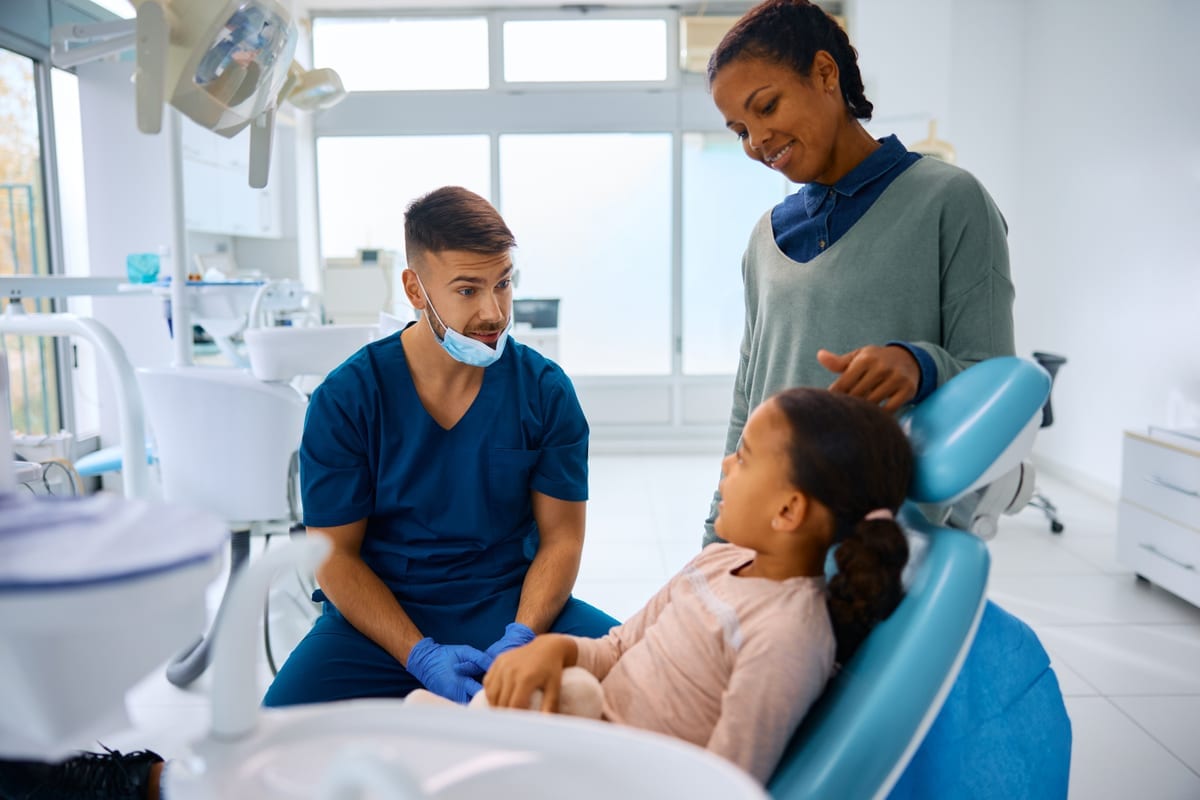
Is your child ready for braces? What parents need to know in Tinley Park often surprises many families. Orthodontic treatment is not just about straight teeth. It also supports your child’s bite, jaw development, and long-term oral health. Dr. Yaa McDonald at Joyful Smiles Pediatric Dentistry helps Tinley Park families navigate this important milestone with confidence.
Every child’s smile develops differently. Some kids show early signs of alignment issues before age seven. Others may not need evaluation until their permanent teeth come in. Understanding the candidacy process helps parents act at the right time — not too early and not too late.
What Makes a Child a Good Candidate for Braces in Tinley Park?
Not every child with crooked teeth needs braces right away. A qualified pediatric dentist evaluates multiple factors before recommending treatment. The goal is always to match the intervention to the child’s specific developmental stage.
Common signs that your child may be a braces candidate include:
- Crowded or overlapping teeth
- Gaps between permanent teeth
- Overbite, underbite, or crossbite
- Difficulty chewing or biting food properly
- Jaw shifting or clicking sounds
- Breathing primarily through the mouth
- Losing baby teeth too early or too late
These signs do not automatically mean braces are needed immediately. They signal that a professional evaluation should happen soon. Early detection gives Dr. McDonald more treatment options to consider.
When Should Parents Schedule an Orthodontic Evaluation?
The American Association of Orthodontists recommends a first evaluation by age seven. At this age, a child typically has a mix of baby and permanent teeth. This combination allows a dentist to spot emerging problems early.
Tinley Park parents sometimes wonder if age seven seems too early. In reality, early evaluation does not always mean early treatment. It simply means your child’s development is being monitored by a professional. Some children are watched for a year or two before any treatment begins.
Dr. Yaa McDonald reviews dental X-rays and growth patterns at each visit. These tools help identify issues before they become more complex. Catching problems early can reduce the length and cost of future treatment.
Factors that influence timing include:
- Rate of jaw growth and development
- Presence and position of permanent teeth
- Severity of the bite or alignment issue
- Child’s overall dental and physical maturity
- Whether thumb sucking or pacifier habits affected tooth position
What Does the Braces Evaluation Process Look Like?
The evaluation process at Joyful Smiles Pediatric Dentistry is thorough but stress-free. Dr. McDonald makes every step easy to understand for both parents and children. Tinley Park families leave with a clear picture of their child’s orthodontic needs.
The evaluation typically includes a clinical exam of the teeth and bite. Digital X-rays help assess tooth roots and jaw bone structure. Sometimes photographs and impressions of the teeth are taken as well.
Dr. McDonald then reviews the findings with parents in plain language. She explains whether treatment is needed now or whether monitoring makes more sense. If braces are recommended, she walks families through the available options. This includes traditional metal braces, clear braces, and in some cases, early interceptive appliances.
It is also worth noting that some children need other dental care before orthodontics can begin. For example, untreated cavities or gum issues must be addressed first. Occasionally, a child may need Root Canal Therapy For Children Tinley Park before orthodontic work can proceed safely.
What Factors Determine the Best Orthodontic Approach for Your Child?
No two children need the same orthodontic plan. Dr. McDonald considers a wide range of individual factors before making any recommendation. This personalized approach leads to better outcomes and fewer complications.
Key factors that shape the treatment plan include the child’s age and jaw growth stage. Younger children with growing jaws may respond well to early interceptive treatment. Older children with most of their permanent teeth in place are often ready for full braces.
The type of bite problem also matters greatly. A simple crowding issue may resolve differently than a significant overbite. Dr. McDonald matches the treatment method to the specific problem — not the other way around.
Compliance is another important consideration. Some appliances require your child to wear them consistently. Parents and children should be prepared to follow through with the recommended plan. Dr. McDonald and her team provide guidance and encouragement every step of the way.
Keeping Your Child’s Smile Healthy During Orthodontic Treatment
Braces require extra attention to oral hygiene at home. Food can get trapped around brackets and wires. This increases the risk of cavities and gum irritation if brushing and flossing are not done carefully.
Dr. McDonald recommends the following habits during orthodontic treatment:
- Brush after every meal using a soft-bristled toothbrush
- Use floss threaders or a water flosser to clean between teeth
- Avoid sticky, hard, or chewy foods that can damage brackets
- Attend all scheduled check-up appointments at the dental office
- Use fluoride toothpaste and consider a fluoride rinse if recommended
Regular dental visits remain essential throughout orthodontic treatment. Cleanings and exams help catch early problems before they worsen. Your child’s orthodontic and dental health should always be managed together.
In the event of a dental emergency — such as a broken wire or a knocked-out tooth — act quickly. Joyful Smiles Pediatric Dentistry offers Emergency Dental Care Tinley Park for children who need urgent attention. Never wait to seek care if your child experiences sudden dental pain or trauma.
Helping Your Child Feel Comfortable About Braces
Many children feel nervous about getting braces. This is completely normal and very common. Parents can help by framing braces as a positive step toward a healthier smile.
Dr. Yaa McDonald and the Joyful Smiles team take extra care to explain each step to your child. Kids feel more confident when they understand what is happening and why. Our Tinley Park office is designed to feel welcoming and low-stress for young patients.
Talking to your child beforehand can also help a great deal. Reassure them that braces are temporary and the results are worth it. Many kids find that their friends with braces make the experience feel more normal.
Conclusion
Understanding whether your child is ready for braces starts with the right evaluation. Dr. Yaa McDonald at Joyful Smiles Pediatric Dentistry of Tinley Park provides expert, compassionate assessments for children of all ages. The earlier families start the conversation, the more options they have. Book Now to schedule your appointment with our team.
Frequently Asked Questions
At what age should my child have an orthodontic evaluation?
Most dental professionals recommend an initial orthodontic evaluation by age seven. At this age, a mix of baby and permanent teeth is present. This allows Dr. McDonald to detect developing alignment issues early and plan ahead if treatment is needed.
Do all children who get evaluated actually need braces?
No, not all children who receive an evaluation will need braces right away — or at all. Some children are simply monitored over time as their teeth and jaw develop. The evaluation helps parents understand what is happening and what to expect in the future.
What is the difference between early treatment and full braces?
Early interceptive treatment — sometimes called Phase 1 — addresses specific jaw or bite problems in younger children. It uses appliances to guide jaw growth before all permanent teeth arrive. Full braces, or Phase 2, typically begin once most permanent teeth are in place and focus on aligning all the teeth properly.
How long does orthodontic treatment usually take for children?
Treatment length varies based on the complexity of the issue and the type of appliance used. Many children wear braces for one to three years. Regular visits and following Dr. McDonald’s instructions can help keep treatment on schedule.
What should I do if my child’s braces wire breaks or causes pain?
Contact your dental office as soon as possible if a wire breaks or causes significant discomfort. You can temporarily use orthodontic wax to cover a sharp edge. For any urgent dental situation, Joyful Smiles Pediatric Dentistry provides prompt care for children in Tinley Park.
Let's explore the magical world of healthy
smiles together
Joyful Smiles Pediatric Dentistry is accepting new patients - infants, toddlers and adolescents all welcome! Dr. Yaa McDonald and team offer a complete suite of services including customized smile makeovers. Call us today to schedule an appointment.