
Book now


What Happens During a Knocked-Out Tooth Treatment: A Parent’s Guide

What Happens During a Knocked-Out Tooth Treatment: A Parent’s Guide
A knocked-out tooth is one of the scariest moments a parent can face. Your child is crying, there may be blood, and you’re not sure what to do next. Understanding what happens during a knocked-out tooth treatment — a parent’s guide Tinley Park families can rely on — can make all the difference. At Joyful Smiles Pediatric Dentistry of Tinley Park, Dr. Yaa McDonald and her team are trained to handle exactly these emergencies with calm, expert care.
Whether it’s a baby tooth or a permanent tooth, acting quickly is critical. This guide walks you through every step of the treatment process. You’ll know what to expect before, during, and after your child’s emergency visit.
What to Do Before You Arrive: Emergency Steps for Parents in Tinley Park
Before you even reach our office, there are important first steps you must take. These steps can significantly affect whether a permanent tooth can be saved. Acting fast — ideally within 30 minutes — gives your child the best outcome.
If your child knocked out a permanent tooth, follow these steps immediately:
- Pick up the tooth by the crown, never the root
- Rinse it gently with clean water — do not scrub it
- Try to reinsert it gently into the socket if your child is calm enough
- If reinsertion isn’t possible, store the tooth in milk or your child’s saliva
- Call our office right away and head to us immediately
If it’s a baby tooth, do not try to reinsert it. Reinserting a baby tooth can damage the developing permanent tooth beneath the gum. Still call us right away — we’ll guide you through the next steps over the phone.
Our team at Joyful Smiles offers Emergency Dental Care Tinley Park families can access promptly. We prioritize dental emergencies so your child is seen as quickly as possible.
Step One: Arrival, Assessment, and Comforting Your Child
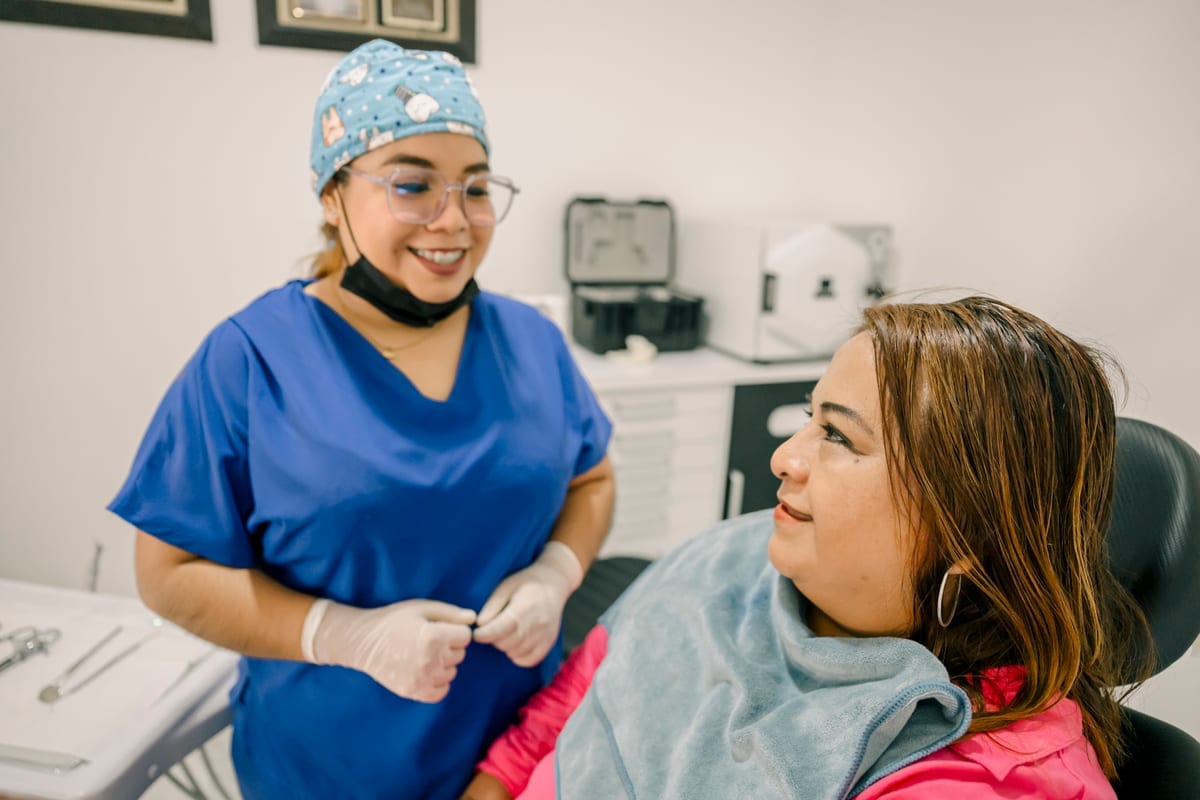
When you arrive at our Tinley Park office, our team moves quickly but calmly. We know your child is frightened and likely in pain. Our first priority is making sure your child feels safe and supported.
Here’s what happens during the initial assessment:
- Check-in and triage: A team member greets you and quickly reviews what happened.
- Gentle examination: Dr. McDonald examines your child’s mouth, gums, and surrounding teeth.
- X-rays if needed: We may take a digital X-ray to check for bone damage or tooth fragments.
- Pain management: We address your child’s discomfort right away using child-appropriate numbing agents.
Throughout this stage, Dr. McDonald speaks directly to your child in a calm, reassuring voice. We use simple language kids can understand. Parents are welcome to stay close — your presence helps your child feel secure.
Step Two: The Treatment Process Explained
Once we’ve assessed the injury, Dr. McDonald creates a treatment plan tailored to your child’s specific situation. The treatment depends on your child’s age and whether the tooth is a baby tooth or permanent tooth.
For a permanent tooth: If the tooth arrived with you intact and within the right timeframe, Dr. McDonald will attempt to reimplant it. She cleans the socket gently and repositions the tooth carefully. A small splint may be placed to hold the tooth in position while it heals. This splint typically stays in place for one to two weeks.
For a baby tooth: Reimplantation is generally not recommended. Instead, Dr. McDonald focuses on protecting the surrounding teeth and gum tissue. She may place a space maintainer to preserve room for the permanent tooth. This prevents neighboring teeth from shifting into the gap.
In some cases, there may be damage beneath the gumline that requires additional treatment. Dr. McDonald will explain all options clearly. We never proceed without making sure you fully understand each step.
In more complex cases involving the tooth’s inner structure, your child may need Root Canal Therapy For Children Tinley Park to preserve the tooth long-term. Dr. McDonald will let you know if this is necessary and answer every question you have.
What Your Child Will Feel During Treatment
One of the most common concerns parents have is whether treatment will hurt their child. We take this concern very seriously at Joyful Smiles. Our entire approach is built around keeping children comfortable and calm.
Here’s what your child can expect to feel at each stage:
- Numbing gel: Applied to the gums before any injection — most children barely feel it
- Local anesthetic: Administered slowly and gently to minimize discomfort
- Reimplantation: With proper numbing, this feels like gentle pressure, not pain
- Splint placement: Quick and painless — similar to placing a small dental bond
- After the visit: Mild soreness is normal and manageable with children’s pain relievers
We use distraction techniques during treatment whenever possible. These include letting your child hold a small comfort item or listen to calming sounds. Our goal is for your child to leave feeling brave — not traumatized.
After the Visit: Recovery and Follow-Up Care
After treatment, Dr. McDonald will give you detailed aftercare instructions. Following these instructions carefully gives your child the best chance of a full recovery. Recovery looks different depending on the type of treatment performed.
General aftercare tips include:
- Offer soft foods for the first few days — yogurt, mashed potatoes, and smoothies work well
- Avoid hard, crunchy, or sticky foods until Dr. McDonald clears your child
- Have your child rinse gently with warm salt water twice daily
- Keep the area clean but brush gently around the treated site
- Watch for signs of infection such as swelling, fever, or increased pain
Dr. McDonald will schedule one or more follow-up appointments. These visits allow her to monitor healing and check that the reimplanted tooth is stabilizing. If a splint was placed, she’ll remove it at the right time during a follow-up visit.
For baby teeth that were lost, we monitor the space over time. We want to make sure the permanent tooth erupts properly in the coming months or years. Ongoing check-ups are a key part of the recovery plan.
Why Choose Joyful Smiles Pediatric Dentistry of Tinley Park
Dr. Yaa McDonald has dedicated her career to caring for children’s smiles in Tinley Park and the surrounding communities. She understands that a dental emergency is stressful for the entire family. Her approach combines clinical expertise with genuine warmth and patience.
Our team is trained specifically in pediatric emergency dentistry. We know how to handle frightened children with compassion. We also know how to support anxious parents — because you matter too.
We believe every child deserves to leave our office feeling safe and cared for. Whether it’s a first visit or an emergency, we bring the same level of dedication every time. Tinley Park families trust us because we treat every child like our own.
Frequently Asked Questions
Can a knocked-out baby tooth be reinserted?
No — dentists do not reinsert knocked-out baby teeth. Doing so can damage the permanent tooth developing beneath the gum. Instead, Dr. McDonald will protect the area and may place a space maintainer to hold room for the permanent tooth.
How quickly do we need to reach the dentist after a tooth is knocked out?
Time is critical, especially for permanent teeth. Try to reach our office within 30 minutes if possible. The sooner you arrive, the better the chances of successfully saving and reimplanting the tooth.
Will my child need a root canal after a knocked-out tooth?
It depends on the extent of the injury. In some cases, the inner nerve tissue is damaged and a root canal becomes necessary to save the tooth. Dr. McDonald will assess this during the visit and explain all treatment options clearly.
What if my child is too scared to sit through treatment?
Our team specializes in helping anxious children feel comfortable. We use gentle communication, distraction techniques, and child-friendly numbing methods. In some situations, Dr. McDonald may discuss additional comfort options — she’ll guide you based on your child’s needs.
What should I store a knocked-out tooth in if I can’t reinsert it?
The best options are milk, saline solution, or your child’s own saliva — keeping the tooth moist is key. Do not store it in plain water, as this can damage the tooth’s root cells. Avoid wrapping it in a dry tissue or cloth.
If your child has experienced a dental emergency or you want to be prepared before one happens, our team at Joyful Smiles Pediatric Dentistry of Tinley Park is here for you. Dr. Yaa McDonald and her compassionate staff are ready to help your child through every step. Book Now to schedule your appointment with our team.



Let's explore the magical world of healthy
smiles together
Joyful Smiles Pediatric Dentistry is accepting new patients - infants, toddlers and adolescents all welcome! Dr. Yaa McDonald and team offer a complete suite of services including customized smile makeovers. Call us today to schedule an appointment.