
Book now


Building Stronger Teeth: What Happens During Your Child’s Cleaning


Building Stronger Teeth: What Happens During Your Child’s Cleaning
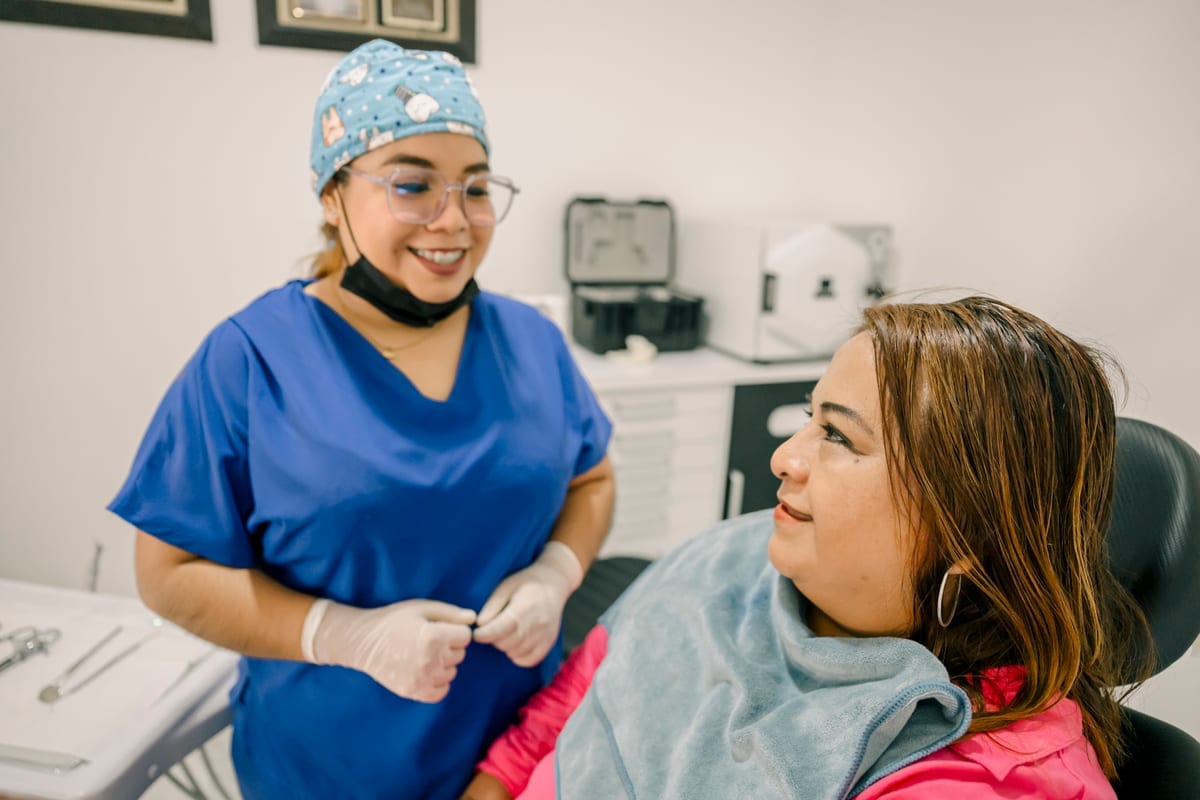
As a parent, you want your child’s dental visits to be calm, safe, and meaningful. Understanding what actually happens during a cleaning helps ease your worries. At Joyful Smiles Pediatric Dentistry of Tinley Park, building stronger teeth starts with a thorough, gentle cleaning process. Dr. Yaa McDonald and her team make every step of your child’s cleaning in Tinley Park comfortable and fun.
Many parents are surprised by how much happens during a routine appointment. It is far more than a quick brush and rinse. Each stage of the visit is designed to protect your child’s smile and catch problems early. Let’s walk through the entire process so you know exactly what to expect.
Step One: A Warm Welcome and Health Review
The appointment begins before anyone touches your child’s teeth. A friendly team member greets your child and helps them feel at ease. This first step matters because anxious kids often tense up during cleanings. A relaxed child makes the whole visit smoother.
Next, the team reviews your child’s health history. They ask about any changes since the last visit. They also check for new concerns like tooth sensitivity or soreness. This information shapes how Dr. McDonald approaches the rest of the appointment.
For younger children or first-time visitors, the team uses a show-tell-do method. They explain each tool before using it. They let kids touch or hold instruments when appropriate. This gentle introduction builds trust right away.
Step Two: The Cleaning — What Happens to Your Child’s Teeth in Tinley Park
The actual cleaning is the heart of the visit. A registered dental hygienist begins by removing plaque and tartar buildup. Plaque is the soft, sticky film that forms on teeth daily. Tartar is hardened plaque that brushing at home cannot remove.
The hygienist uses a small, curved tool called a scaler. It gently scrapes buildup from the tooth surfaces and along the gumline. For children, this process is typically quick. Young teeth have less buildup than adult teeth do.
After scaling, the hygienist polishes each tooth using a soft rubber cup and gritty toothpaste. This step removes surface stains and leaves teeth feeling silky smooth. Children often enjoy picking their toothpaste flavor. Options like bubblegum and watermelon make the experience enjoyable.
Flossing comes next. The hygienist carefully cleans between every tooth. This step removes food and bacteria that a toothbrush simply cannot reach. Parents are encouraged to practice this technique at home too.
- Plaque and tartar removal from all tooth surfaces
- Gentle polishing with flavored toothpaste
- Thorough flossing between every tooth
- Rinsing to clear away debris and polish residue
- Application of fluoride treatment for added protection
Step Three: Fluoride Treatment and Protective Options
After polishing and flossing, many children receive a fluoride treatment. Fluoride strengthens tooth enamel and helps prevent cavities. It is especially important for growing children whose teeth are still developing. Dr. McDonald recommends fluoride treatments as a core part of every cleaning visit.
The fluoride is applied as a gel, foam, or varnish. Varnish is the most common option for younger children. It takes just seconds to paint onto the teeth. Your child should avoid eating or drinking for about 30 minutes afterward.
During this stage, the team may also discuss dental sealants. Sealants are thin protective coatings applied to the chewing surfaces of back teeth. They are highly effective at preventing cavities in hard-to-clean molars. Ask Dr. McDonald whether your child is a good candidate.
Step Four: X-Rays and Dr. McDonald’s Examination
X-rays are not taken at every visit. However, they are an important diagnostic tool when needed. Digital X-rays expose children to very low levels of radiation. They help the team spot cavities between teeth and check jaw development.
After the hygienist finishes, Dr. McDonald steps in for the clinical exam. She carefully checks every tooth for signs of decay. She also examines the gums, bite alignment, and jaw growth. This thorough review helps catch small problems before they become bigger ones.
Dr. McDonald also looks for early orthodontic concerns. She can advise you on whether your child may need braces or other interventions in the future. Catching these issues early gives families more treatment options. Parents can ask questions throughout this stage of the exam.
If a concern is found, Dr. McDonald explains it clearly. She never uses confusing dental jargon. She may discuss options like Root Canal Therapy For Children Tinley Park if a tooth has deeper decay. She always outlines the gentlest, most conservative approach first.
Keeping Kids Comfortable Every Step of the Way
Comfort is never an afterthought at Joyful Smiles Pediatric Dentistry. The entire office is designed with children in mind. Bright colors, friendly staff, and kid-friendly decor help reduce anxiety. Many children actually look forward to their visits.
The team uses positive reinforcement throughout the appointment. Children earn praise and small rewards for their cooperation. This approach builds a healthy association with dental care. Kids who feel safe at the dentist are more likely to maintain good habits for life.
Parents are always welcome to stay beside their child during the cleaning. Your calm presence can make a big difference. If your child shows signs of dental anxiety, tell the team before the appointment begins. They have many strategies to help anxious kids feel comfortable.
- Child-friendly office environment with calming decor
- Show-tell-do technique for introducing dental tools
- Positive reinforcement and reward systems
- Parents welcome to stay during the entire visit
- Gentle pacing based on each child’s comfort level
In the rare event of a dental emergency between visits, the team is ready to help. Accidents happen, and quick action protects your child’s smile. Reach out right away for Emergency Dental Care Tinley Park if your child experiences a tooth injury or severe pain.
What Happens After the Cleaning?
Before you leave, a team member walks you through everything found during the visit. You receive a clear summary of your child’s oral health. They also give personalized tips for brushing and flossing at home. These recommendations are tailored to your child’s age and development.
The team will help you schedule your child’s next appointment before you go. Most children need a cleaning every six months. Some children with higher cavity risk may benefit from more frequent visits. Dr. McDonald will advise you on the right schedule for your child.
You may also receive guidance on diet and snacking habits. Sugary drinks and sticky snacks are leading causes of childhood cavities. Small changes at home can make a big difference in your child’s dental health. The team is always happy to answer follow-up questions.
Conclusion: Building Stronger Smiles Starts Here
A professional cleaning is one of the most powerful tools in your child’s dental health plan. It removes harmful buildup, strengthens enamel, and catches problems early. Dr. Yaa McDonald and the Joyful Smiles team are proud to guide families through every step of the process. Building stronger teeth through your child’s cleaning in Tinley Park has never been easier or more comfortable. Book Now to schedule your appointment with our team.
Frequently Asked Questions
How long does a child’s dental cleaning take?
Most children’s cleanings at Joyful Smiles Pediatric Dentistry take between 45 and 60 minutes. This includes the cleaning, fluoride treatment, and Dr. McDonald’s examination. Younger children or first-time visitors may need a little extra time to get comfortable. The team always moves at a pace that suits your child.
Is the cleaning painful for my child?
The cleaning itself is generally not painful. Most children feel only mild pressure or tickling during polishing. The hygienist works gently and checks in with your child throughout the process. If your child feels discomfort at any point, the team adjusts their technique immediately.
At what age should my child start getting professional cleanings?
Dr. McDonald recommends that children visit the dentist by their first birthday or when their first tooth appears. Early visits help children get comfortable with dental care. They also allow the team to monitor tooth and jaw development from the start. Starting early sets the foundation for a lifetime of healthy smiles.
Does my child need fluoride treatment at every cleaning?
Fluoride treatments are recommended at most routine cleaning visits for children. Fluoride strengthens enamel and helps prevent cavities. Dr. McDonald evaluates each child individually to determine the right frequency. She will let you know if your child would benefit from additional protection.
What should my child eat before their dental cleaning?
Your child can eat a normal meal before their cleaning appointment. However, it is a good idea to have them brush their teeth before arriving. After the fluoride treatment, your child should avoid eating or drinking for about 30 minutes. The team will remind you of this before you leave.


Let's explore the magical world of healthy
smiles together
Joyful Smiles Pediatric Dentistry is accepting new patients - infants, toddlers and adolescents all welcome! Dr. Yaa McDonald and team offer a complete suite of services including customized smile makeovers. Call us today to schedule an appointment.