Book now


The 2026 NCDHM Checklist: Is Your Child’s Smile Ready for the School Year?

The 2026 NCDHM Checklist: Is Your Child’s Smile Ready for the School Year?
2026 presents a good opportunity to look in on your child’s dental health and make sure their smile is ready for the upcoming year. National Children’s Dental Health Month (NCDHM) is a reminder for parents to ensure their kids’ preventive care and good hygiene habits are on track from a young age. Making sure your kids’ teeth are in top shape will definitely give them the boost they need for the upcoming year.
Preparing your child’s smile for the school year isn’t just about brushing and flossing; it’s a whole process. A child’s regular check-ups, proper nutrition, and protection measures like sealants and fluoride application all contribute to the healthy development of your child’s teeth. By following the tips in this blog, you can ensure that your child’s smile is ready to tackle the school year with confidence.
Key Practices for a School-Ready Smile
Having understood the importance of preparing your child’s smile for the upcoming academic year, it is now important that we discuss some of these important steps your child should take towards having a perfect school-starting smile.
1. Schedule a Preventive Dental Care Visit
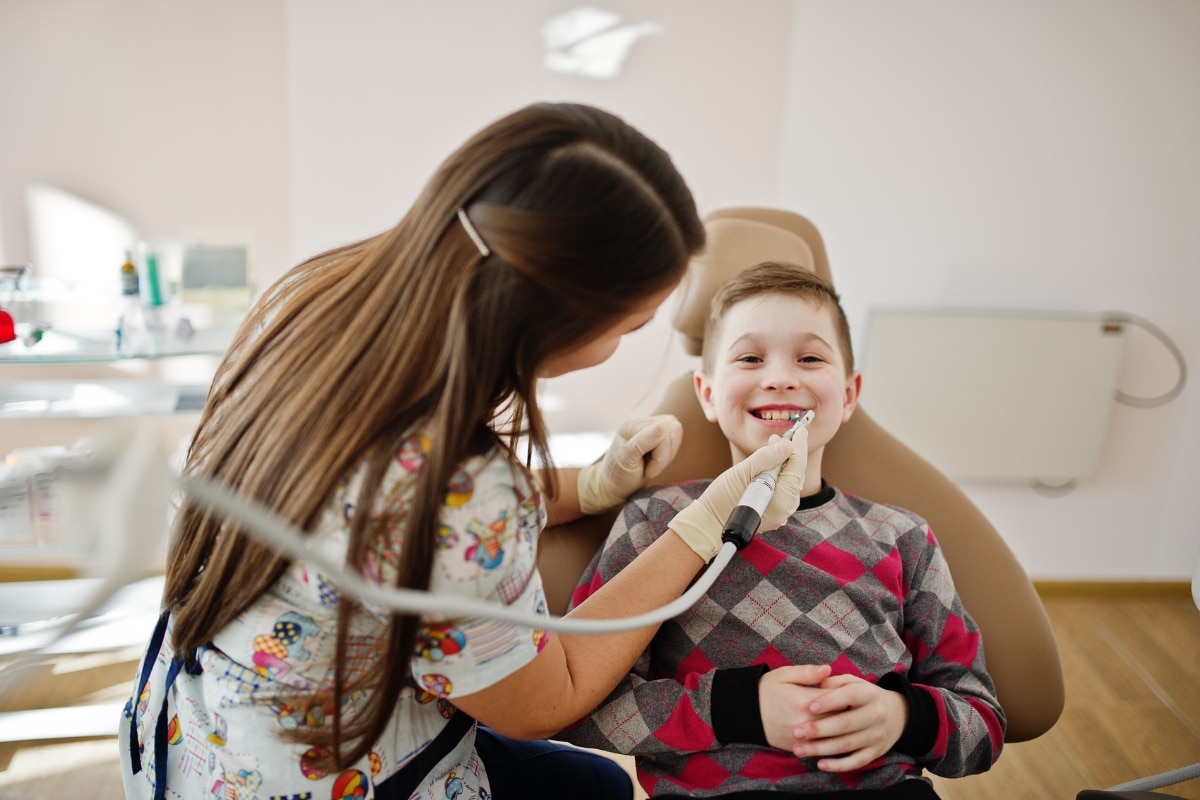
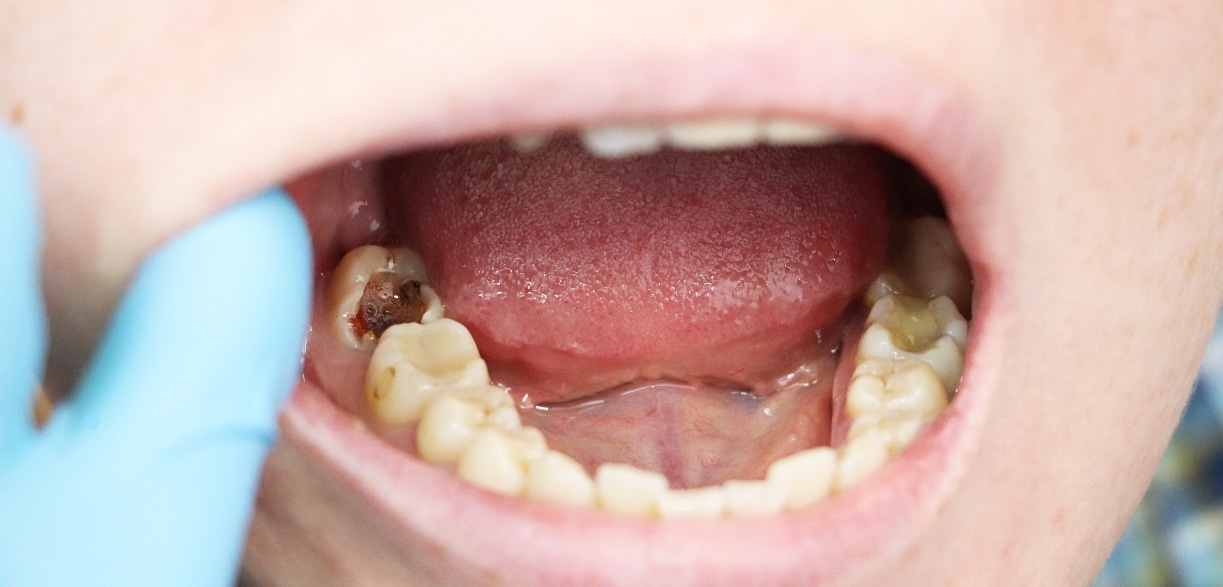
Another essential step in getting your child’s smile ready for the school year is to schedule preventive dental care in Tinley Park, IL. Having your child checked by a pediatric dentist during this period can help ensure timely diagnosis and treatment of dental problems. During the visit, the dentist would assess your child’s teeth to see whether they have problems such as decay, misalignment, and other issues.
Regular cleanings will also help remove plaque and tartar, reducing the risk of cavities and gum disease. Here is the perfect opportunity to get tips and advice from your pediatric dentist on your child’s oral hygiene routine to keep it strong throughout the school year!
2. Strengthen Their Oral Hygiene Routine
Good oral hygiene habits play an important role in maintaining good oral health. It is therefore essential for a child to brush at least twice a day, using toothpaste containing fluoride, and to spend at least two minutes brushing. Besides brushing, another important habit is for kids to floss their teeth daily to dislodge food from areas the toothbrush can’t reach.
By teaching your child proper brushing and flossing techniques from an early age, you will help them develop good habits that benefit them throughout their life and maintain healthy gums and teeth. A pediatric dentist will show your child proper brushing and flossing techniques, ensuring they know the best ways to care for their teeth.
3. Assess the Need for Sealants and Fluoride Treatment
Fluoride treatment and dental sealants are great preventative measures to ensure your child’s teeth are protected against tooth cavities and decay. Fluoride treatment gives your child’s tooth enamel a protective layer that shields it from tooth decay. Dental sealants provide your child’s back teeth with a protective layer on the chewing surfaces.
The pediatric dentist will suggest that your child requires fluoride treatment if needed and whether your child could be given sealants, especially if your child’s teeth have deep grooves that are difficult to clean. The treatments are quick and non-invasive, offering long-term protection against common dental problems.
4. Address Orthodontic Concerns Early
If, for instance, the child’s teeth are misaligned, crowded, or have other bite problems, it is advisable to consult a pediatric dentist to address them. Early child interventions help in the growth of the child’s teeth in the most efficient way.
Though not all children need braces at a young age, it can be beneficial to address any orthodontic issues early to prevent more serious problems later. A pediatric dentist can provide guidance on scheduling an appointment with an orthodontic specialist to achieve the best results.
5. Keep an Eye on Diet and Habits
A well-balanced diet is essential for maintaining good dental health. It is recommended that your child be encouraged to eat a variety of foods, such as fruits, vegetables, and milk products, while avoiding sugary products. This will ensure good dental health because a diet high in sugar affects not only the formation of cavities but also compromises dental enamel.
Habits such as thumb sucking or nail biting could cause issues related to your child’s oral health. Consequently, your child might develop alignment issues or wear. If such a habit has been developed by your child, you could bring this up during your pediatric dentist appointment.
6. Protect Their Smile with Mouthguards
Children participating in sports need to wear a mouthguard, as it is necessary. Sports-related injuries are a major cause of dental injuries in kids, and wearing a mouthguard can help prevent them.
If your child participates in contact sports or gymnastics, a custom-made mouthguard may be safer than an over-the-counter mouthguard. Do not forget to monitor your child’s mouthguard regularly to ensure it fits properly and remains in good condition, providing the necessary protection.
7. Monitor Their Tooth Growth and Development
As your baby grows up, their teeth will go through different stages of growth, including the growth of permanent teeth. It is essential to observe your baby’s teeth as well as the gum line to check for signs of discomfort, unusual growth patterns, and dental alignment.
If your child has issues like grinding of the teeth, jaw ache, and difficulty chewing food, it is necessary to address the issue with your child’s pediatric dentist because it may signify underlying problems that may need to be addressed before they affect your child’s dental well-being.
Get Ready for a Healthy Smile this School Year
As the new school year approaches, it is vital that your child’s smile is in excellent condition. To do this, follow the 2026 NCDHM checklist. Simple measures, such as preventive dental care, regular check-ups, and healthy oral habits, can go a long way toward ensuring your child’s teeth are healthy, strong, and confident. Dental check-ups, fluoride, dental sealants, and orthodontic check-ups form part of your child’s health plan.
If you’re ready to get your child’s smile ready for the school year, schedule an appointment with us at Joyful Smiles Pediatric Dentistry today. Our friendly, compassionate team is here to support your child’s dental health and help them develop good habits for a lifetime of healthy smiles.
Questions People Ask About Preventive Dental Care
- How often should my child visit the pediatric dentist?
Your child should visit the pediatric dentist every six months for regular check-ups and cleanings. These visits help detect issues early, promote healthy teeth and gums, and establish a foundation for lifelong dental care. - What is the best way to prevent cavities in children?
To prevent cavities, encourage brushing with fluoride toothpaste twice daily, flossing regularly, eating a balanced diet, and visiting the pediatric dentist for routine check-ups. These practices help keep your child’s teeth clean and reduce the risk of cavities. - At what age should my child start seeing an orthodontist?
It’s recommended that your child be evaluated by an orthodontist by age 7. Early assessments help identify potential alignment issues, enabling early intervention and smoother treatment if braces or other orthodontic care are needed later. - How can I help my child stop thumb sucking?
To stop thumb sucking, offer positive reinforcement, set gentle reminders, and provide comfort with alternatives like a favorite toy. If needed, consult your pediatric dentist for professional advice and methods to help break the habit. - Are dental sealants necessary for my child?
Dental sealants are highly recommended for children, especially on the back teeth, to protect them from cavities. These thin, protective coatings help prevent tooth decay by sealing deep grooves that are hard to clean with brushing alone. - Why should my child wear a mouthguard during sports?
A mouthguard protects your child’s teeth, gums, and jaw from injury during sports, especially contact sports like football and basketball. It’s a simple yet effective way to prevent costly dental injuries and ensure your child’s smile stays safe.



Let's explore the magical world of healthy
smiles together
Joyful Smiles Pediatric Dentistry is accepting new patients - infants, toddlers and adolescents all welcome! Dr. Yaa McDonald and team offer a complete suite of services including customized smile makeovers. Call us today to schedule an appointment.